
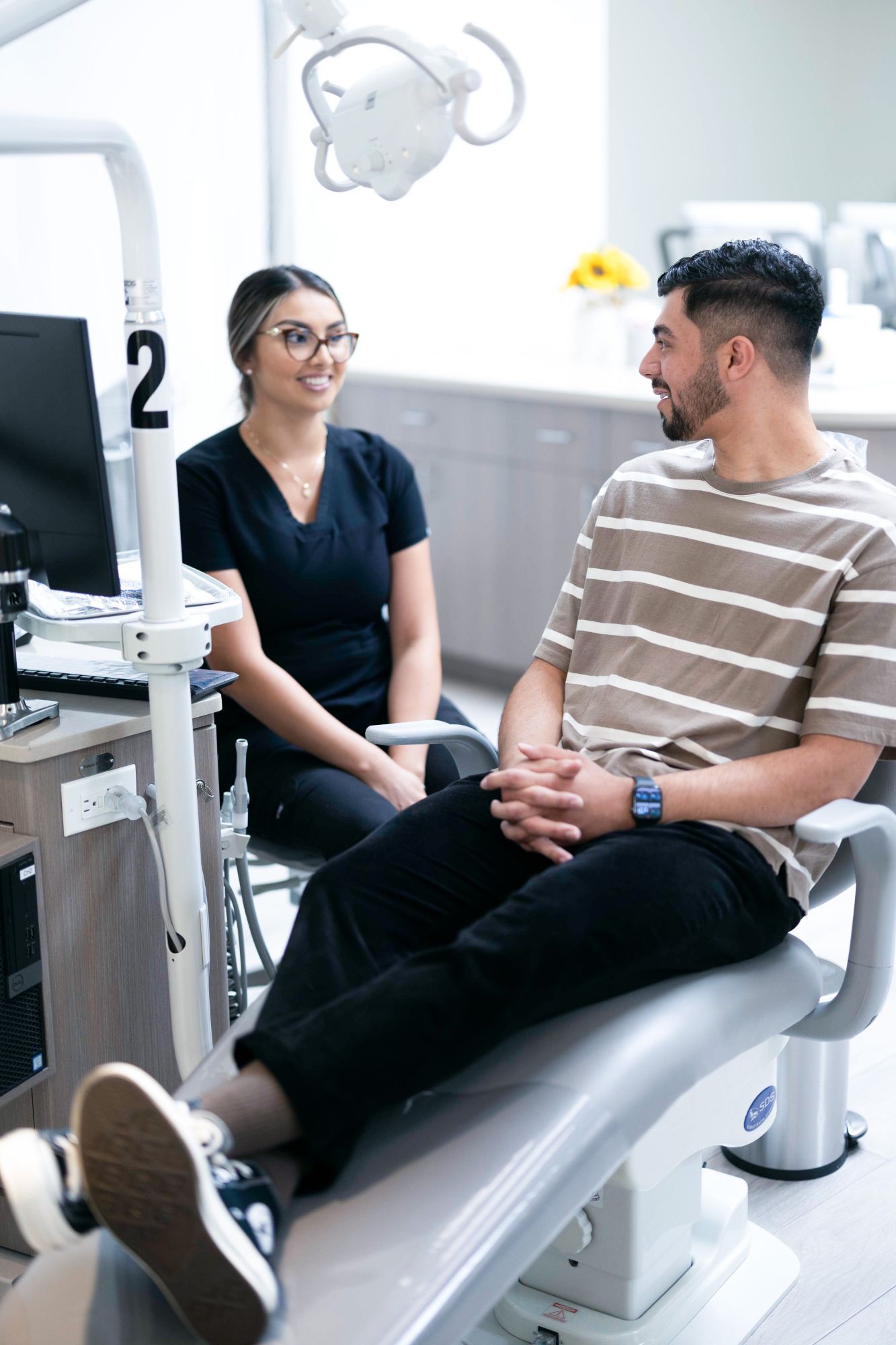
Clear aligners have quietly become one of the most requested ways to straighten teeth, and for good reason. They are subtle, comfortable, and they fit the pace of everyday life. Still, one question comes up in almost every consultation: how does Invisalign actually move your teeth? Here is a plain-language look at what happens from your first appointment to your final smile, from the team behind orthodontics in Los Angeles at Dr. Lili & Associates.
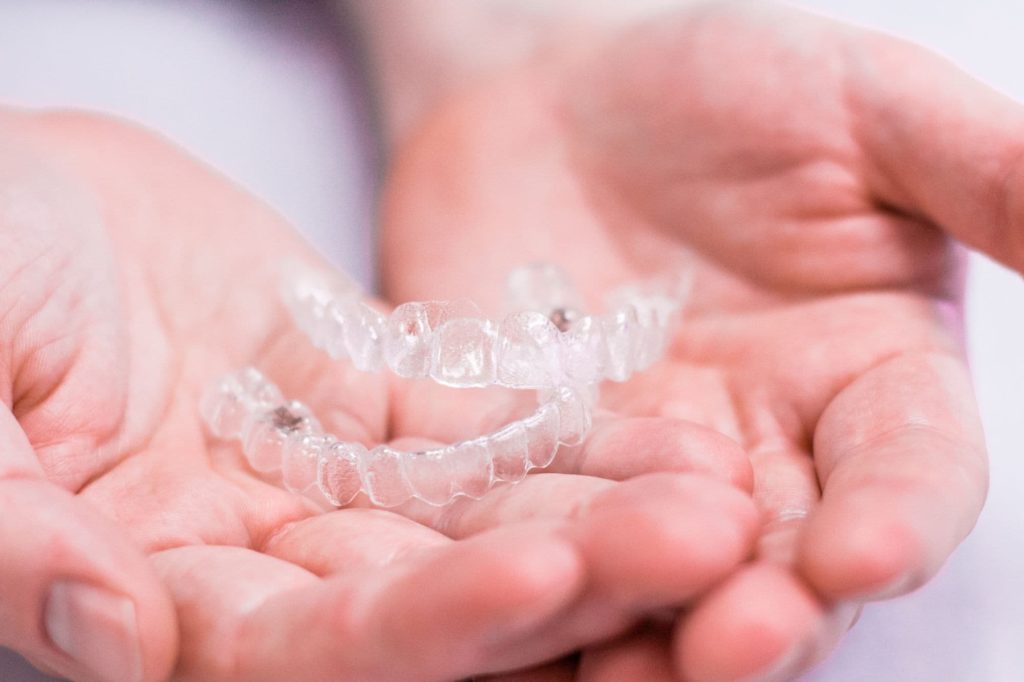
Invisalign uses a series of custom-made, clear plastic trays called aligners. Each set is shaped slightly differently from the last, so when you wear them they apply gentle, targeted pressure that nudges specific teeth toward their planned positions. You move through the series one tray at a time, and with every switch your teeth take another small step. It is the same biological principle that traditional braces rely on, delivered through removable clear aligners instead of brackets and wires.
Step one: the digital scan and treatment plan
It starts with a digital scan of your teeth. No messy impressions are needed. That scan becomes a 3D model your orthodontist uses to map out the full path your teeth will travel, tooth by tooth. This is where the planning matters most. A well-designed plan sequences the movements in the right order so that nothing is rushed and every tooth has a clear target. Many patients get to preview a simulation of their projected result before treatment even begins, which is a nice way to see where you are headed.
Step two: wearing your aligners
Once your aligners arrive, you wear each set for the number of hours your orthodontist recommends, typically most of the day and night, removing them to eat, drink anything other than water, brush, and floss. Because they are removable, there are no food restrictions and cleaning your teeth stays simple. Most people move to a fresh set on a regular schedule, often every week or two, and each new tray feels snug at first before settling in as your teeth respond.
Step three: gentle, gradual movement
The pressure from each aligner triggers a natural process in the bone that supports your teeth. On one side of the tooth the bone gently remodels to make room, and on the other side new bone fills in behind it. This is why the movement has to be gradual. Pushing too fast is uncomfortable and works against the biology, so the series is designed to move things at a healthy, steady rate. It is slow by design, and that is exactly what keeps the process comfortable and predictable.
What about attachments?
For some movements, your orthodontist may add small tooth-colored bumps called attachments to a few teeth. These give the aligners something extra to grip so they can perform trickier movements, like rotating a rounded tooth or shifting a tooth up or down. Attachments are the same color as your teeth, so they stay discreet, and they are removed when treatment is complete. Not everyone needs them, but they are a big part of why Invisalign can handle more than simple cases.
What can Invisalign treat?
Invisalign handles a wide range of cases, from mild crowding and spacing to many bite issues, including overbites, underbites, and crossbites. Some complex cases are still better served by braces, and a good orthodontist will tell you honestly which option fits your teeth. The only way to know for certain is a professional evaluation, where your orthodontist can look at your specific bite and alignment and give you a real recommendation.
Step four: refinement and retention
As you near the end of your series, your orthodontist checks how closely your teeth match the plan. Sometimes a short set of refinement aligners fine-tunes the final details. When you are finished, a retainer keeps your new smile in place while the surrounding bone fully stabilizes. Retention is not an afterthought. It is the step that protects everything you just accomplished, and wearing your retainer as directed is what keeps your results looking great for years.
How Invisalign compares to braces
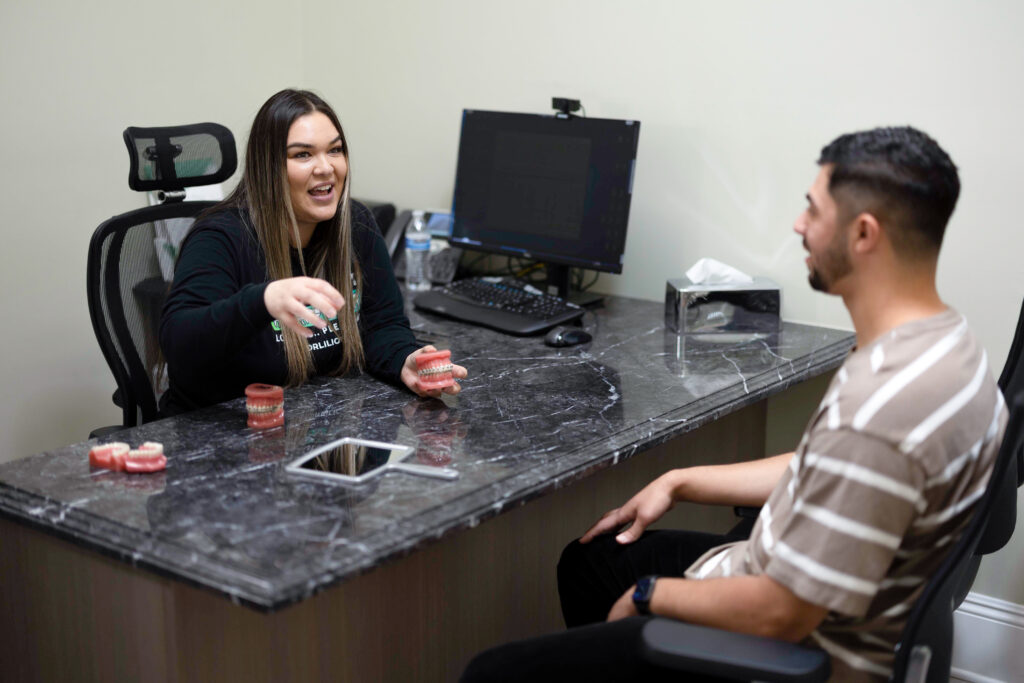
Both braces and Invisalign move teeth using steady, controlled pressure, so the underlying science is the same. The difference is the delivery. Braces are fixed to your teeth and work around the clock, which can be an advantage for very complex cases or for patients who might not keep up with wearing aligners. Invisalign is removable and discreet, which many teens and adults prefer. Neither is universally better. The right choice depends on your teeth, your goals, and your habits.
Is Invisalign right for you?
If you are weighing your choices, our guide on choosing the right orthodontist is a helpful next read, and you can learn more about Invisalign in Los Angeles on our treatment page. Dr. Sue Kim and the team are happy to walk you through what treatment would look like for your smile, with no pressure to decide on the spot.
Frequently Asked Questions
How does Invisalign move teeth without wires?
Each aligner is shaped slightly differently from your current tooth positions, so wearing it applies light, controlled pressure. That pressure prompts the supporting bone to remodel and the tooth to shift. Wires are not needed because the aligner itself carries the force.
How many hours a day do I need to wear my aligners?
Most treatment plans call for wearing aligners the large majority of the day and night, removing them mainly to eat and clean your teeth. Consistent wear is the single biggest factor in staying on schedule, since the teeth only move while the aligners are in.
Does Invisalign hurt?
Most people feel mild pressure or tenderness for a day or two after switching to a new set, which is a sign the aligners are working. It usually fades quickly and is generally described as more comfortable than the adjustment periods associated with braces.
How long does Invisalign treatment take?
Timelines vary based on how much movement your teeth need. Simpler cases can finish faster, while more involved cases take longer. Your orthodontist can give you a realistic estimate once your plan is mapped out from your scan.
Can I switch to Invisalign if I already have braces?
In some cases, yes. If you are partway through treatment with braces and considering a change, talk with your orthodontist, who can look at where your teeth are and advise whether switching makes sense for your case.